Dog Health & Yard Safety
The Environmental Impact of Dog Waste: What Science Really Says
Dog waste is a major environmental problem — but how bad is it really? We break down the science behind dog waste pollution and what you can do about it.
The Environmental Impact of Dog Waste: What Science Really Says
We all know dog waste is unpleasant — but is it really an environmental problem? The short answer is yes, and the science might surprise you. Here's what research tells us about the environmental impact of dog waste.
The Scale of the Problem
There are approximately 90 million dogs in the United States. Each dog produces about 274 pounds of waste per year. That means American dogs produce roughly:
- 12.3 million tons of waste annually
- Equivalent to the weight of 120,000 elephants
- Enough to fill 3,000 Olympic swimming pools
The EPA classifies dog waste as a non-point source pollutant, in the same category as agricultural runoff and oil spills.
Water Pollution: The Biggest Problem
Stormwater Contamination
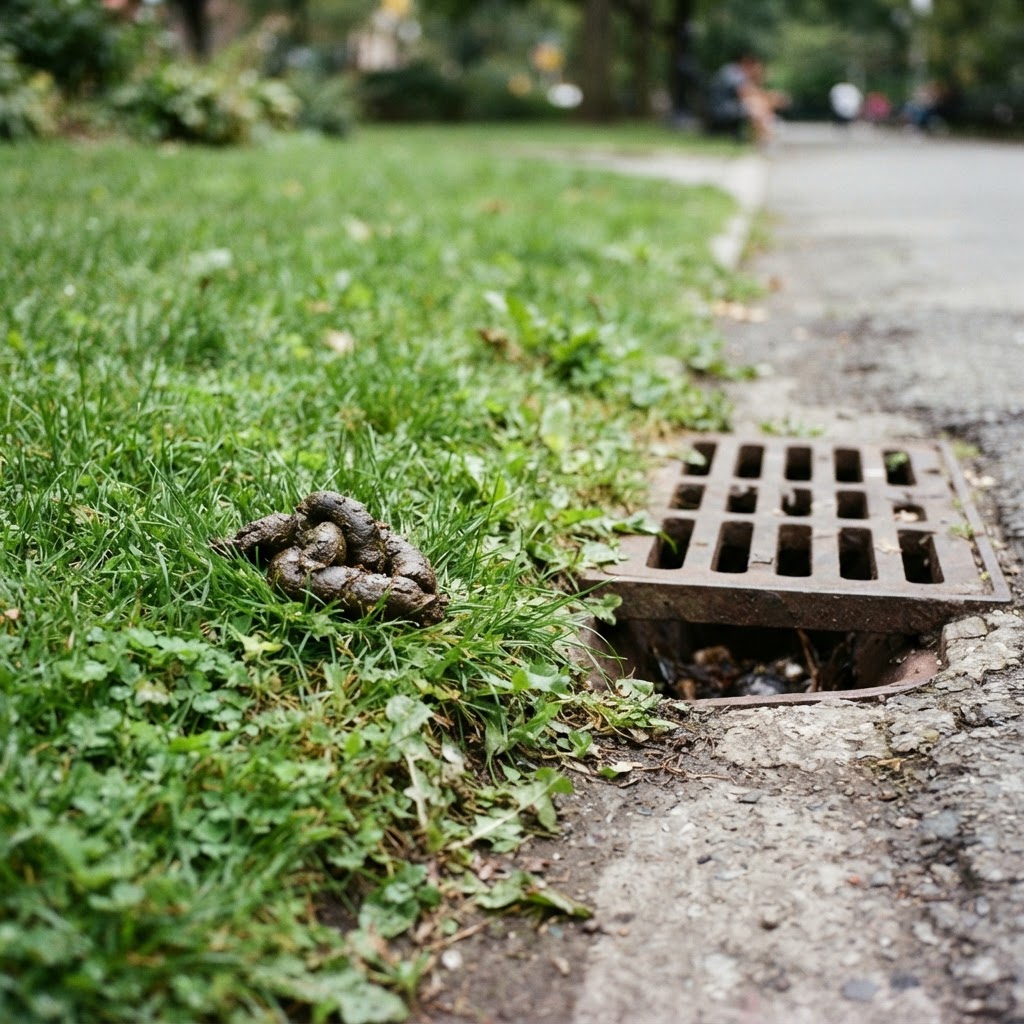
When rain falls on your yard, it picks up whatever's on the ground — including dog waste. This runoff enters storm drains, which in Omaha and most cities flow directly into rivers and lakes without treatment.
The numbers:
- A single gram of dog feces can contain 23 million fecal coliform bacteria
- 2-3 days of waste from 100 dogs can close a bay to swimming (per EPA estimates)
- Dog waste contributes to 20-30% of bacteria in urban waterways
Algae Blooms
Dog waste is rich in nitrogen and phosphorus. When these nutrients enter waterways, they feed algae, causing explosive growth known as algae blooms.
Consequences of algae blooms:
- Depleted oxygen — kills fish and aquatic life
- Toxic conditions — some algae produce toxins harmful to humans and pets
- Closed beaches and lakes — recreation areas become unusable
- Dead zones — areas of water where nothing can survive
Local Impact: Omaha's Waterways
Omaha's storm drains flow into the Missouri River and its tributaries, including Papillion Creek and Standing Bear Creek. Dog waste from Omaha yards contributes to:
- Bacterial contamination in local waterways
- Algae growth in area lakes
- Water quality issues affecting wildlife
Soil Contamination
Dog waste doesn't just wash away — it affects your soil directly:
Pathogen Persistence
- Roundworm eggs can survive in soil for years
- Parvovirus can live in soil for months
- Giardia cysts persist in moist soil
- Salmonella and E. coli can survive for weeks
Once these pathogens are in your soil, they're incredibly difficult to remove. Children playing in contaminated soil are especially at risk.
Soil Chemistry Changes
Dog waste alters soil pH and nutrient balance:
- Increased nitrogen — burns grass, creates yellow patches
- Acidification — makes soil less hospitable to beneficial organisms
- Salt accumulation — affects plant growth
Air Quality
Dog waste also affects air quality through:
- Ammonia emissions — waste releases ammonia as it decomposes
- Methane production — anaerobic decomposition produces methane, a greenhouse gas
- Odor — affects quality of life for you and your neighbors
The Composting Question
Can you compost dog waste? It's complicated:
Why You Shouldn't Compost Dog Waste in Your Garden
- Pathogen survival — Standard composting doesn't reach temperatures needed to kill all pathogens
- Parasite eggs — Roundworm eggs survive typical compost temperatures
- Contamination risk — Using contaminated compost on food gardens is dangerous
Proper Composting
If you want to compost dog waste, you need:
- A dedicated pet waste composter (not your regular compost bin)
- Temperatures of 140°F+ maintained for several days
- No food waste mixed in
- At least a year before using the compost — and only on ornamental plants, never food
Biodegradable Bags: Do They Work?
Biodegradable bags sound great, but there's a catch:
The Problem
- Most biodegradable bags end up in landfills, where they don't break down (landfills lack the oxygen and sunlight needed for decomposition)
- Bags labeled "biodegradable" may just break into microplastics rather than truly decomposing
- Compostable bags (look for ASTM D6400 certification) are better but still need proper facilities
The Solution
- Use compostable bags (not just "biodegradable")
- If your city has a pet waste composting program, use it
- Otherwise, bag waste and put it in the regular trash (it goes to a landfill, but that's better than leaving it in your yard)
What You Can Do
1. Scoop Weekly
The most important thing you can do is remove waste from your yard every week. This prevents pathogens from leaching into soil and waste from washing into storm drains.
2. Never Leave Waste on Trails or Sidewalks
Always carry bags on walks. Waste left on trails and sidewalks washes directly into storm drains.
3. Don't Use Waste as Fertilizer
Dog waste is not fertilizer. It's acidic, pathogen-laden, and will harm your lawn.
4. Dispose Properly
Seal waste in compostable bags and put it in the trash. Never put pet waste in yard waste bins or compost.
5. Hire a Professional Service
A professional poop scooping service like Omaha Poop Scoop ensures waste is removed weekly and disposed of properly. We serve the entire Omaha metro area starting at just $10/week.
Sign up today — protect your yard, your family, and the environment.